
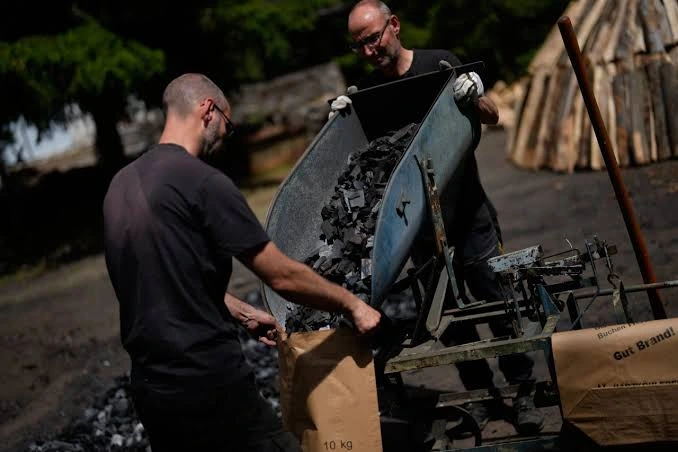
In a remote forest in Germany, two brothers are keeping alive the centuries-old charcoal burning tradition, a craft that has been practised in Europe for generations but is now on the verge of disappearing. Instead of relying on modern industrial methods, the brothers continue to produce charcoal using traditional earth-covered wood piles, following techniques passed down through their family. Their dedication has attracted visitors, historians, and cultural enthusiasts who see the craft as an important part of Germany’s rural heritage.
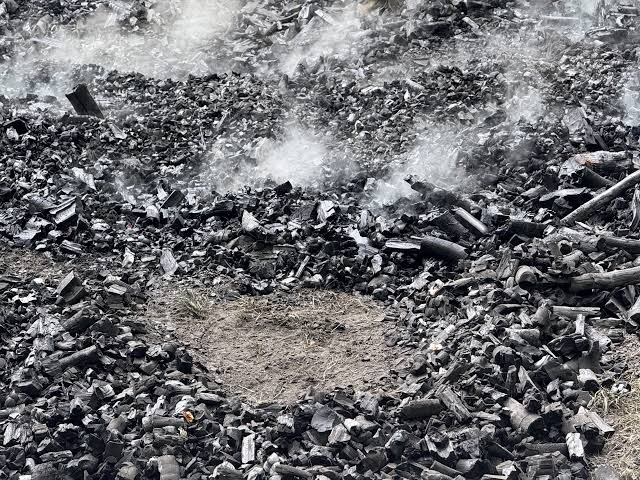
The charcoal-making process is both time-consuming and labour-intensive. Large stacks of carefully selected wood are arranged into a dome-shaped mound, covered with soil, and then slowly burned with limited oxygen for several days. The brothers constantly monitor the temperature and airflow throughout the process to ensure the wood transforms into high-quality charcoal without turning into ash. Although modern factories can produce charcoal much faster, the traditional method is valued for preserving craftsmanship and producing premium-quality charcoal.
As industrialisation continues to replace many age-old professions, the brothers believe that protecting the charcoal burning tradition is about more than making charcoal—it’s about preserving history, culture, and traditional knowledge for future generations. Their work has become a symbol of Europe’s efforts to safeguard disappearing crafts, inspiring younger generations to appreciate and protect cultural heritage in an increasingly modern world.