
The United Nations General Assembly is preparing to vote on a resolution calling for an end to the decades-long United States economic embargo against Cuba. The vote, scheduled for October 28, marks the 34th annual consideration of the issue by the 193-member international body. The resolution seeks to highlight the economic and humanitarian consequences of restrictions imposed on Cuba, while the United States continues to defend its policy towards the Cuban government.
The embargo, first introduced in 1960, has been a longstanding source of tension between Washington and Havana. Last year’s resolution received 165 votes in favour, seven against and 12 abstentions, reflecting broad international support for ending the restrictions. However, the resolution is non-binding and does not itself compel the United States to change its policy. This year’s debate is taking place amid intensified economic pressure on Cuba, including concerns about fuel shortages, electricity disruptions and the wider impact on essential services.
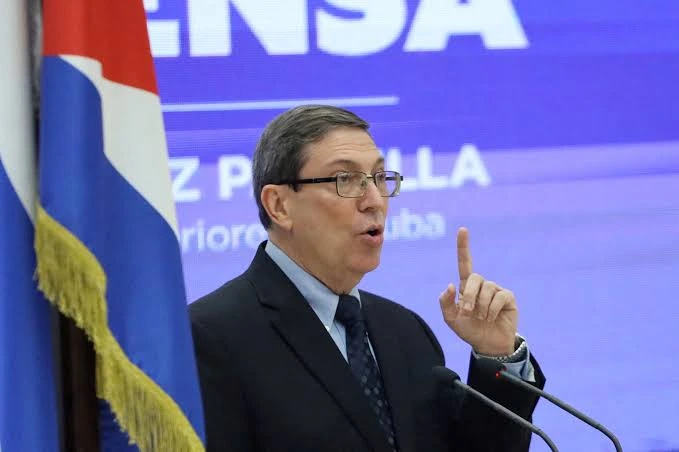
Diplomatic tensions were also visible during the General Assembly debate on October 27, when Cuban Foreign Minister Bruno Rodríguez and US Ambassador to the United Nations Mike Waltz engaged in a heated exchange. The disagreement reflected the sharply different positions held by the two governments: Cuba argues that the embargo harms ordinary citizens and restricts economic development, while Washington maintains that responsibility for the country’s crisis lies with its government. The upcoming vote is expected to renew international scrutiny of the dispute, although its practical impact will depend on subsequent policy decisions.